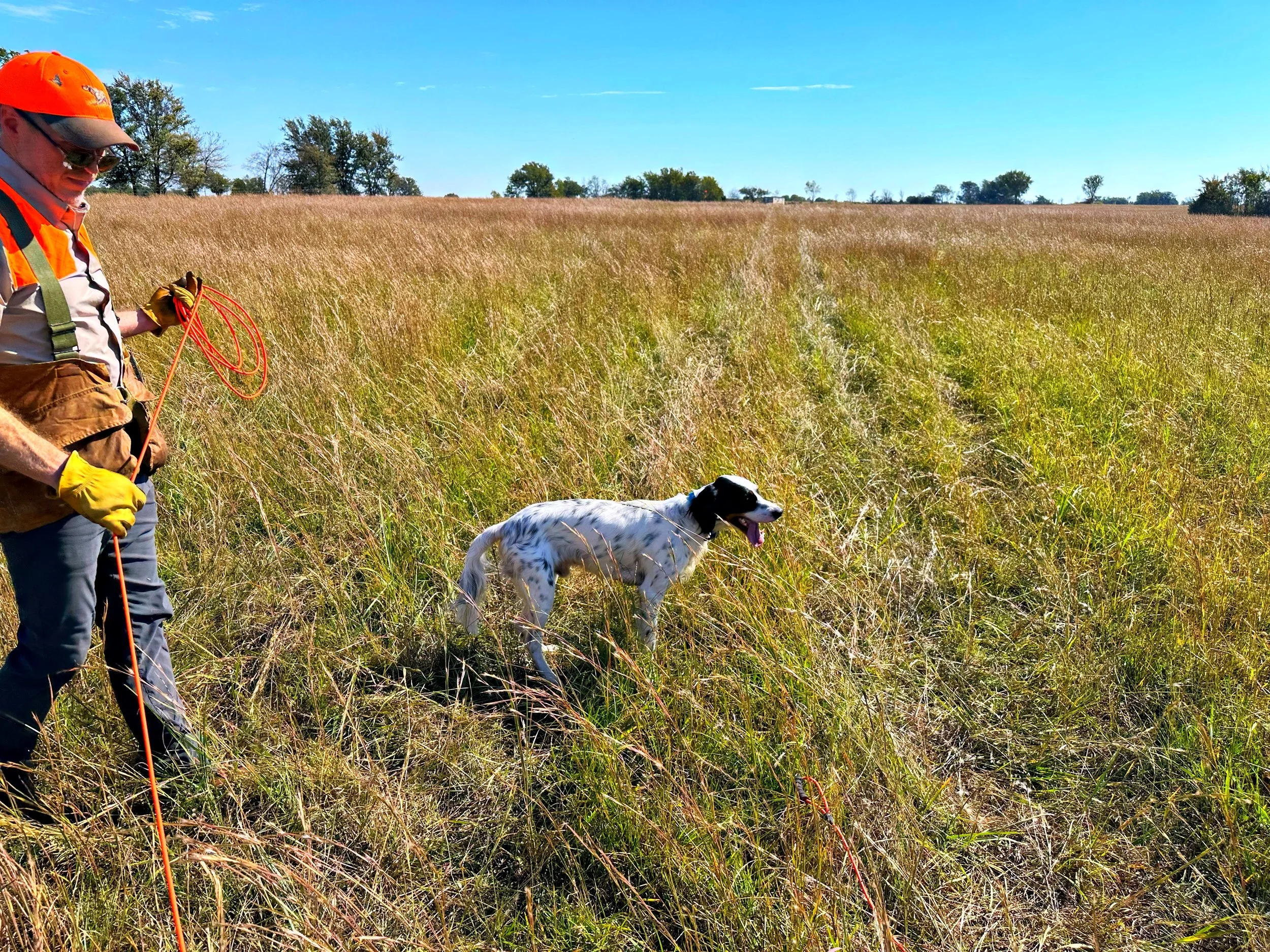
A Legacy of Loyalty—Field to Family

“A brace should move like two parts of one mind — one finding, one honoring, both steady under pressure. This was the mark of the Humphrey–Llewellin field ideal.”
-Condensed Summary of Brace Philosophy

“Steadiness under uncertainty is what separates a good dog from a great one.”
-William Humphrey — Journal & Trial Notes

"The Llewellin Setter must be gentle, loving, and courteous to man…"
-R. Purcell Llewellin
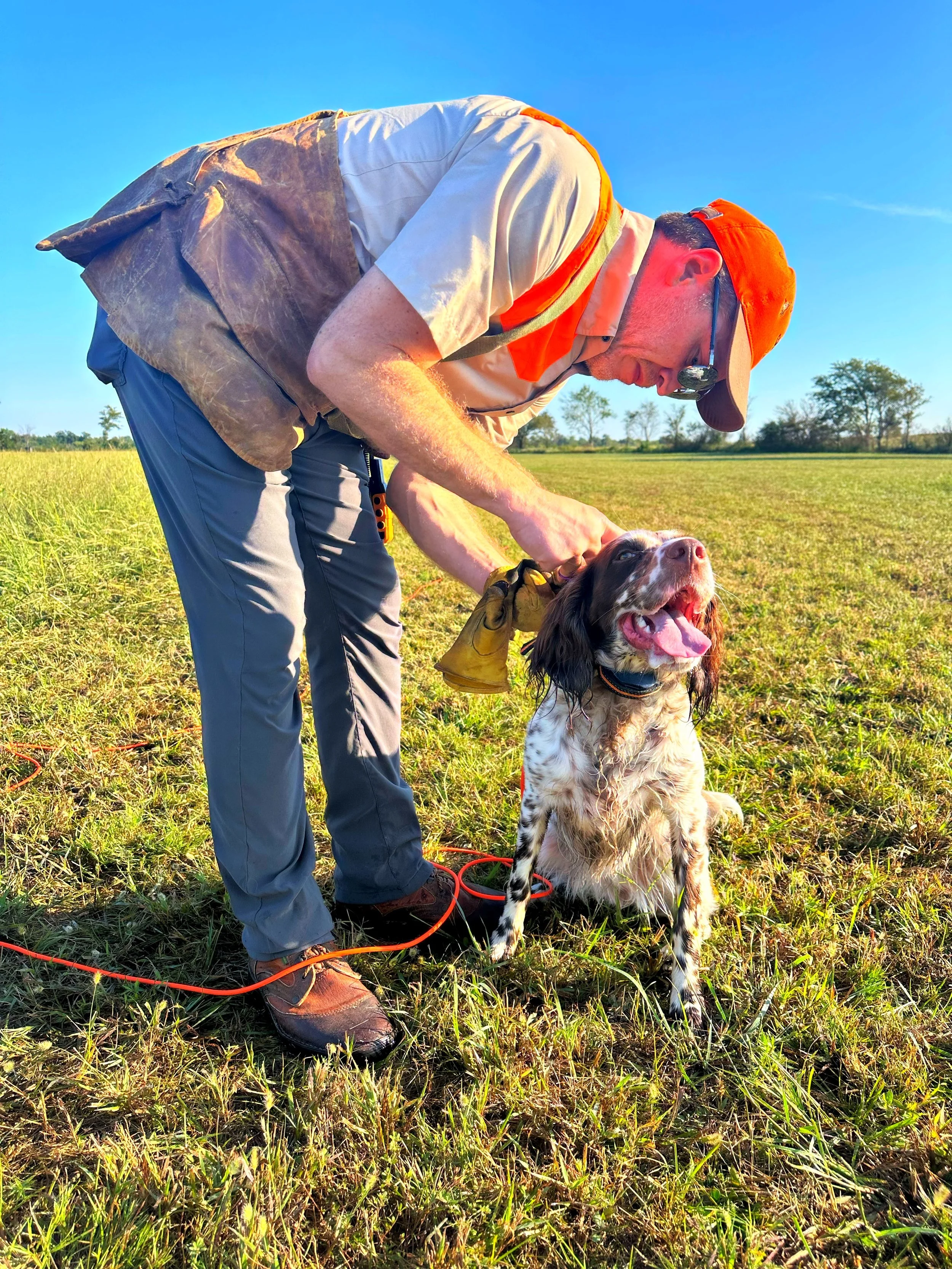
“The difference between these Llewellin–Humphrey dogs and ordinary setters: style and steadiness are inseparable.”
-R. S. Layard — Sporting Journal Commentary
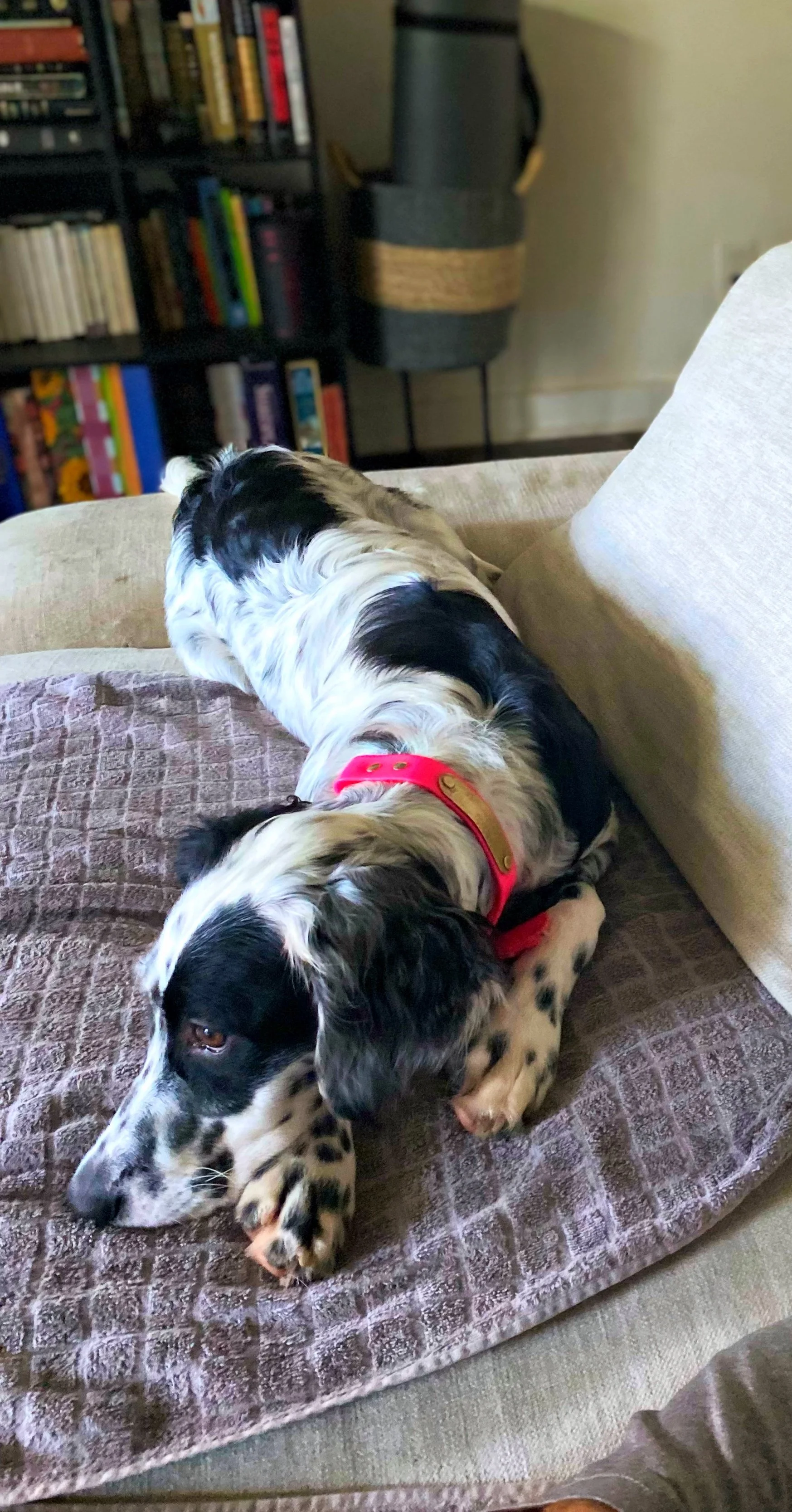
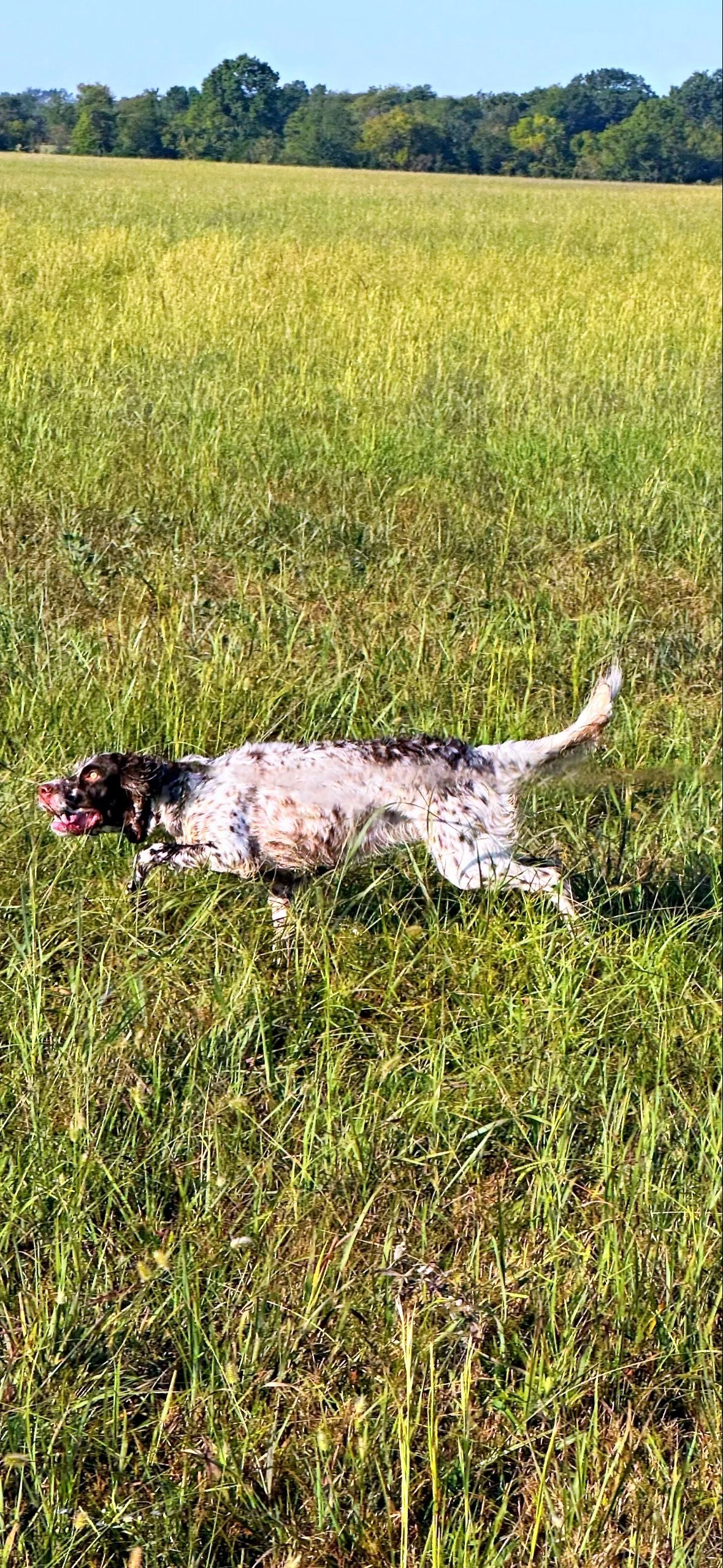
“A brace’s value lies not in size or speed but mutual respect and intelligence.”
-William Humphrey — Journal & Trial Notes
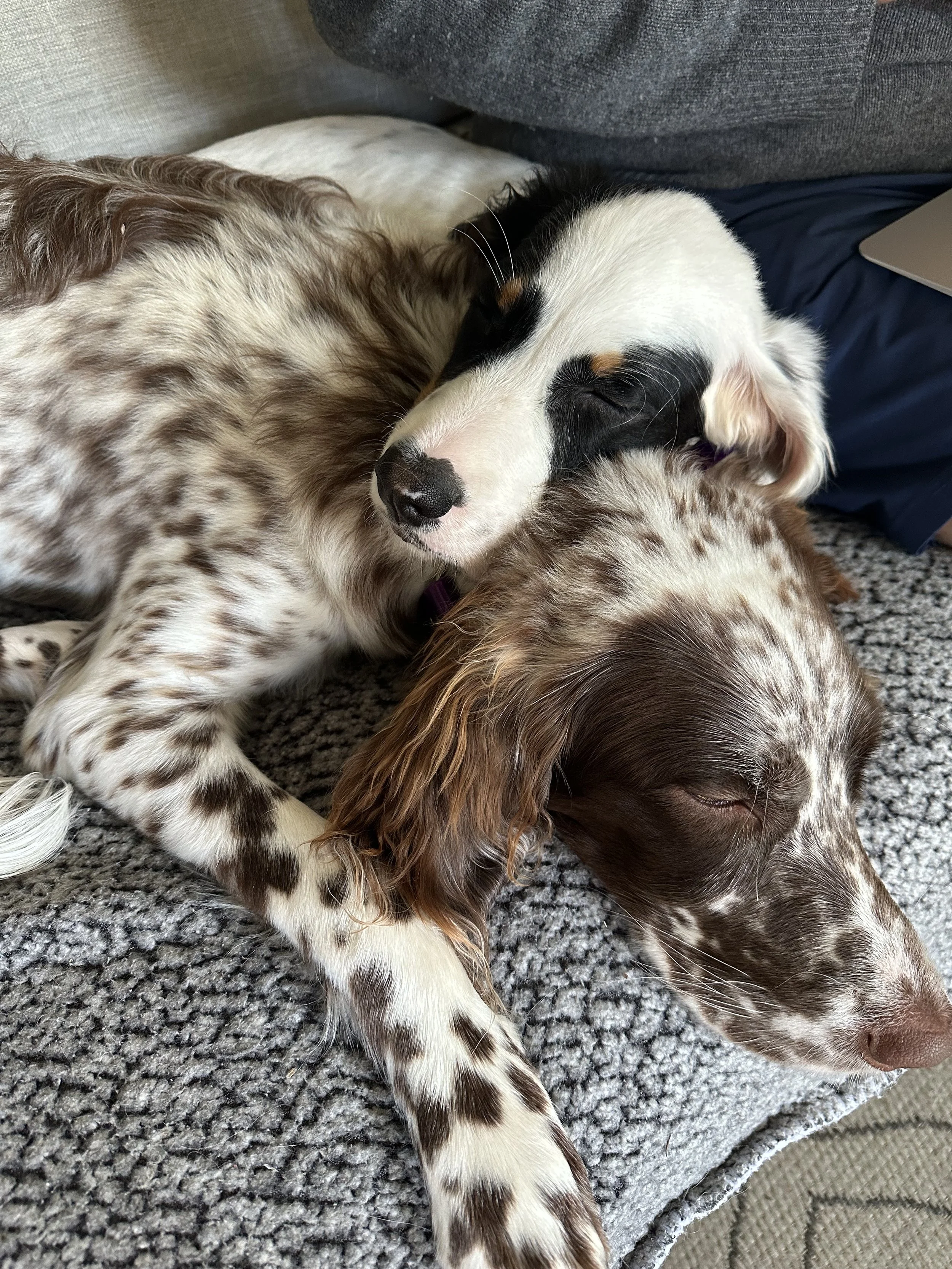
"The Llewellin Setter…have characteristics of shape, beauty, mettle, and cunning hunting…"
-R. Purcell Llewellin

History of the Llewellin Setters…and frequently asked questions:
“Endurance, nose, and temperament are inseparable in a working setter. One can have beauty, but without these qualities, the trial proves nothing.”
-R. Purcell Llewellin
Where do Llewellin Setters originate from?
The story of the Llewellin Setter reaches back to the royal courts of Europe. In the early 1600s, King Louis XIII gifted a pair of his prized Setters (Setting dogs) to King James I of England, marking the beginning of a noble bloodline that would one day become known for both elegance and instinct (Calendar of State Papers, James I, January 17th, 1624). These early Setters were celebrated for their refined beauty, exceptional scenting ability, and calm temperament, qualities that became the foundation of the modern breed.
By the mid-1800s, English sportsman Edward Laverack began formalizing that heritage into a distinct strain known for hunting different types of terrain with endurance, ability to range, find, point, and back intuitively while possessing great beauty. His line became the cornerstone of the modern Setter breed.
Building upon Laverack’s work, Richard Purcell Llewellin — a Welsh gentleman and passionate breeder — sought to enhance the Setter’s natural hunting ability. Beginning in the mid-19th century, Llewellin acquired several of Laverack’s finest dogs and paired them with others from the renowned “Duke” and “Rhoebe” lines, producing a Setter with remarkable bird sense, stamina, and loyalty. His dogs excelled in field trials across Britain and America, and the line soon became recognized as the Llewellin Setter — a distinct strain of the English Setter, prized for its instinct and heart.
After Llewellin’s passing, William Humphrey continued to preserve and refine the line, maintaining its purity until his death in 1963. Today, our rare, pure Royal Dashing Bondhu Llewellins remain a separate and respected lineage, descended directly from the original Duke-Rhoebe-Laveracks and Llewellins' personal line of dogs, the “Dashing Bondhu,” without native out-crossings.
From the royal courts of Europe to the heathered moors and quail fields of the modern age, the Llewellin Setter stands as a living legacy — a noble dog of grace, grit, and devotion, bred for both the field and the fireside.
Is the Llewellin Setter good with family and children?
Yes. Llewellin Setters are known for their gentle, affectionate nature and make wonderful family companions. Bred to work closely with hunters, they form deep bonds with their people and are especially good with children. Intelligent, loyal, and eager to please, they balance high energy in the field with calm devotion at home, making them ideal for active families who value both companionship and adventure.
Are Llewellin Setters easy to train?
Yes, with gentle consistency. They are intelligent, sensitive, and eager to please, responding best to positive reinforcement and clear direction. Harsh correction can shut them down — encouragement brings out their best.
How large do Llewellin Setters get?
Most adults weigh between 40 and 65 pounds, standing 22 to 26 inches tall at the shoulder. Males tend to be slightly larger and more muscular, while females are often a bit lighter and finer-boned.
What colors do they come in?
Common colorations include white with black/blue, orange, lemon, chestnut, and tricolor combinations. Beltons are born pure white. Their coats develop more ticking or marbling as they mature.
How are Llewellin Setters with other pets?
They’re typically friendly and social, especially when raised alongside other animals. However, because of their strong prey drive, early introduction and supervision around smaller animals are recommended.
How long do Llewellin Setters live?
With good care, Llewellins often live 12 to 14 years, remaining lively and affectionate well into their senior years.